Brand identity
Recognizable identities built from typography, color, imagery, and practical brand guidelines.

Brand identity and UX/UI design that connect a clear point of view with the way people experience your business.
Design begins with the audience and the purpose. We develop an identity, a journey, and a visual system together, so the result can move beyond a presentation into a coherent experience people actually use.
Recognizable identities built from typography, color, imagery, and practical brand guidelines.
Content-led websites and portfolios that make your brand and work easy to discover.
Clear product interfaces designed around real tasks, responsive layouts, and meaningful states.
Reusable foundations, components, and states that keep your experience coherent as it grows.
Reviewable prototypes that make journeys tangible and help refine decisions before production.
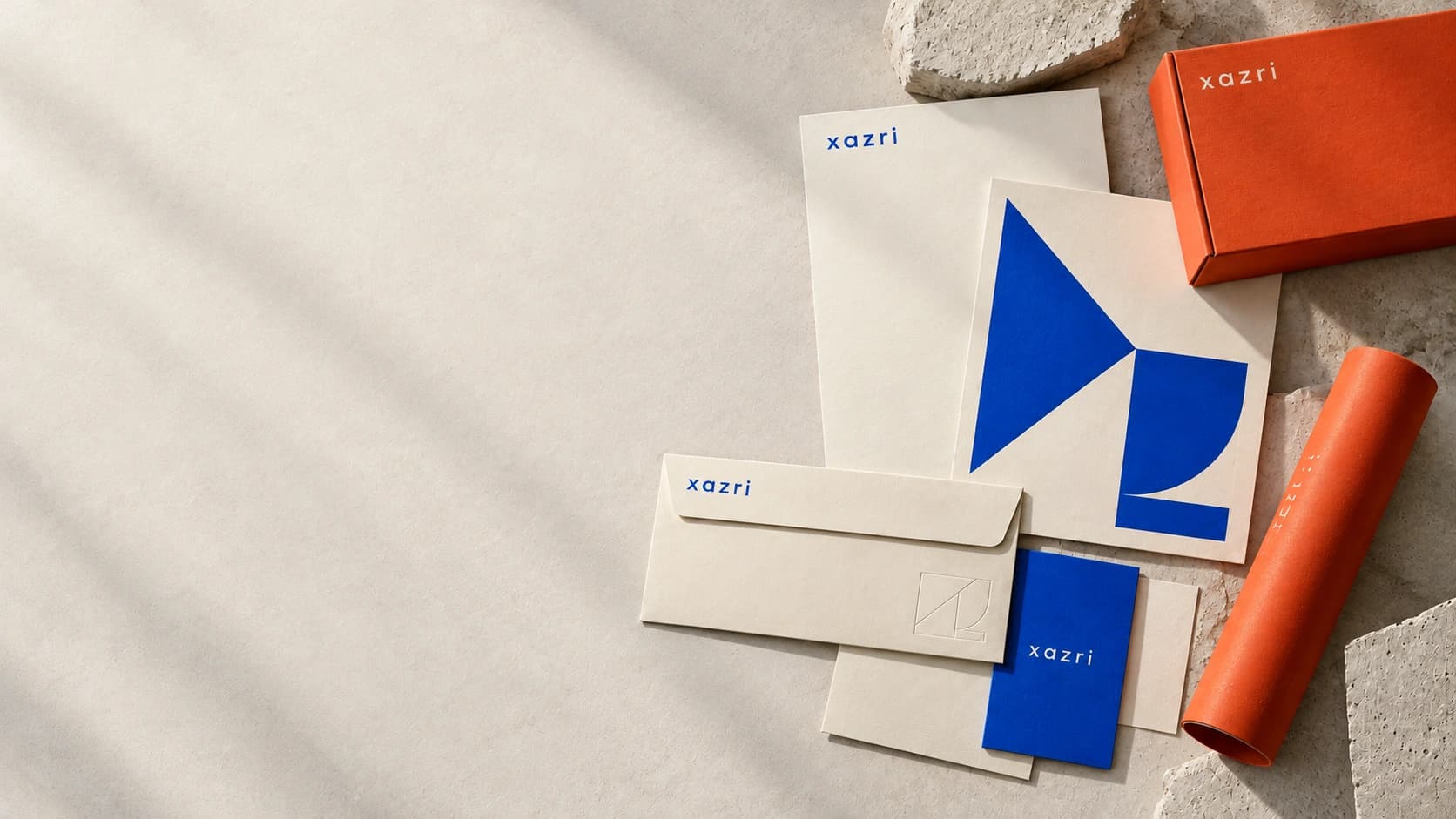
An identity is more than a mark. It is a set of visual decisions that help people recognize the business across different materials and moments. We create a direction that can carry through a website, a product, a presentation, and other agreed touchpoints.
The work can include visual exploration, typography, color, image direction, composition, and brand guidelines. We consider how those foundations behave in real layouts and digital interfaces. The concept shown here is illustrative work, demonstrating a possible application rather than an existing client identity.
Define the visual vocabulary and the reasoning behind it.
Test the identity in the formats people will actually encounter.
Document useful rules so the direction can be applied consistently.
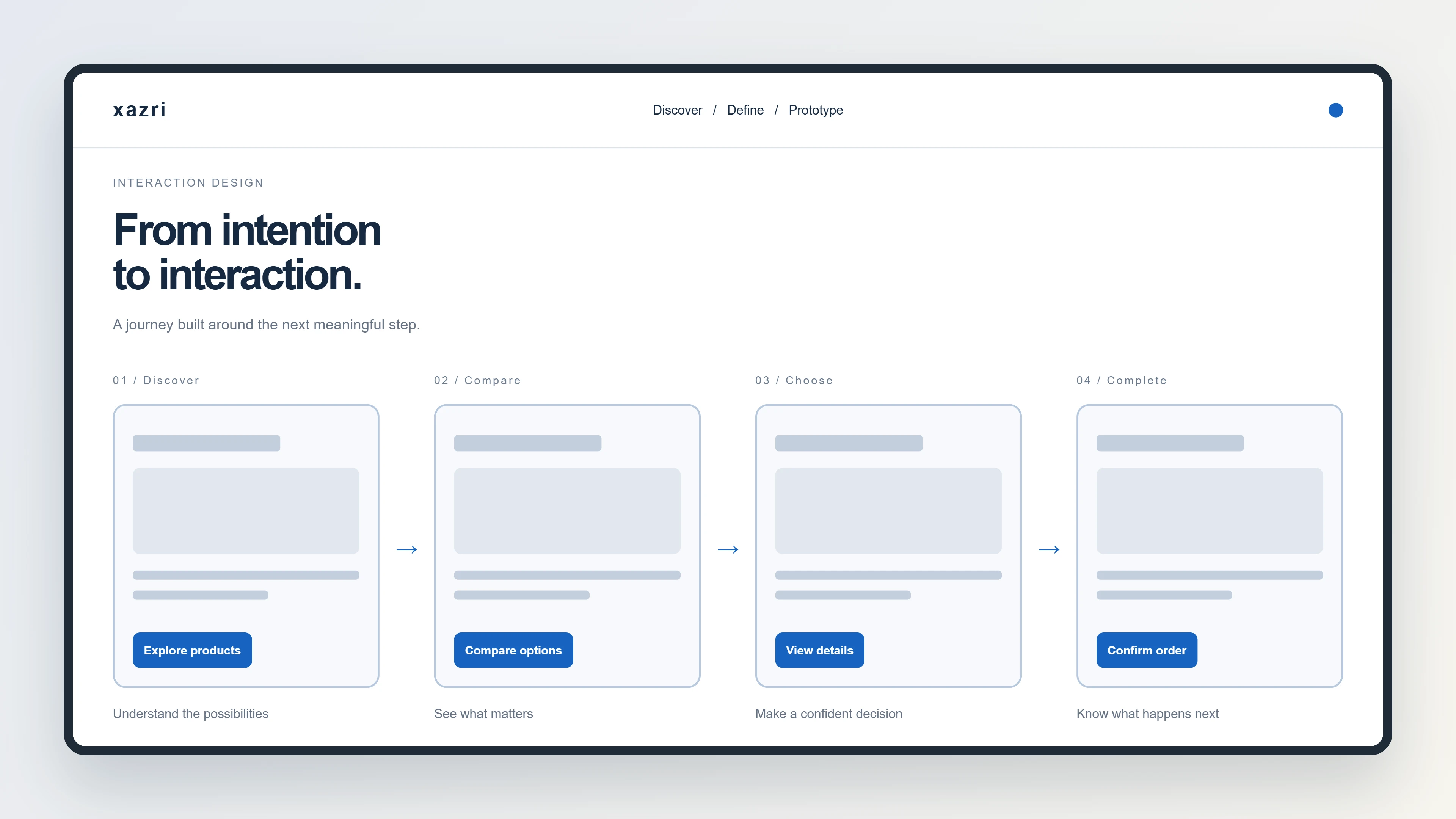
The most attractive screen cannot resolve an unclear journey on its own. We begin by understanding what people need to find, decide, and do, then shape the information and interaction around those needs.
Discovery, audience research, information architecture, user flows, and wireframes establish the structure. Interactive prototypes help examine the next step, the available feedback, and the points where someone might need more context. Visual design builds on those decisions instead of covering them up.
A shopping experience needs to make both the product and the decision clear. We design browsing, search, product information, cart, and checkout journeys as parts of one experience, considering the difference between exploration and a focused purchase.
The design can cover merchandising, filters, product details, account states, and responsive layouts. We consider content and platform constraints alongside the interface so the proposed experience can be implemented. These concepts illustrate a design direction, not a claim of conversion results.
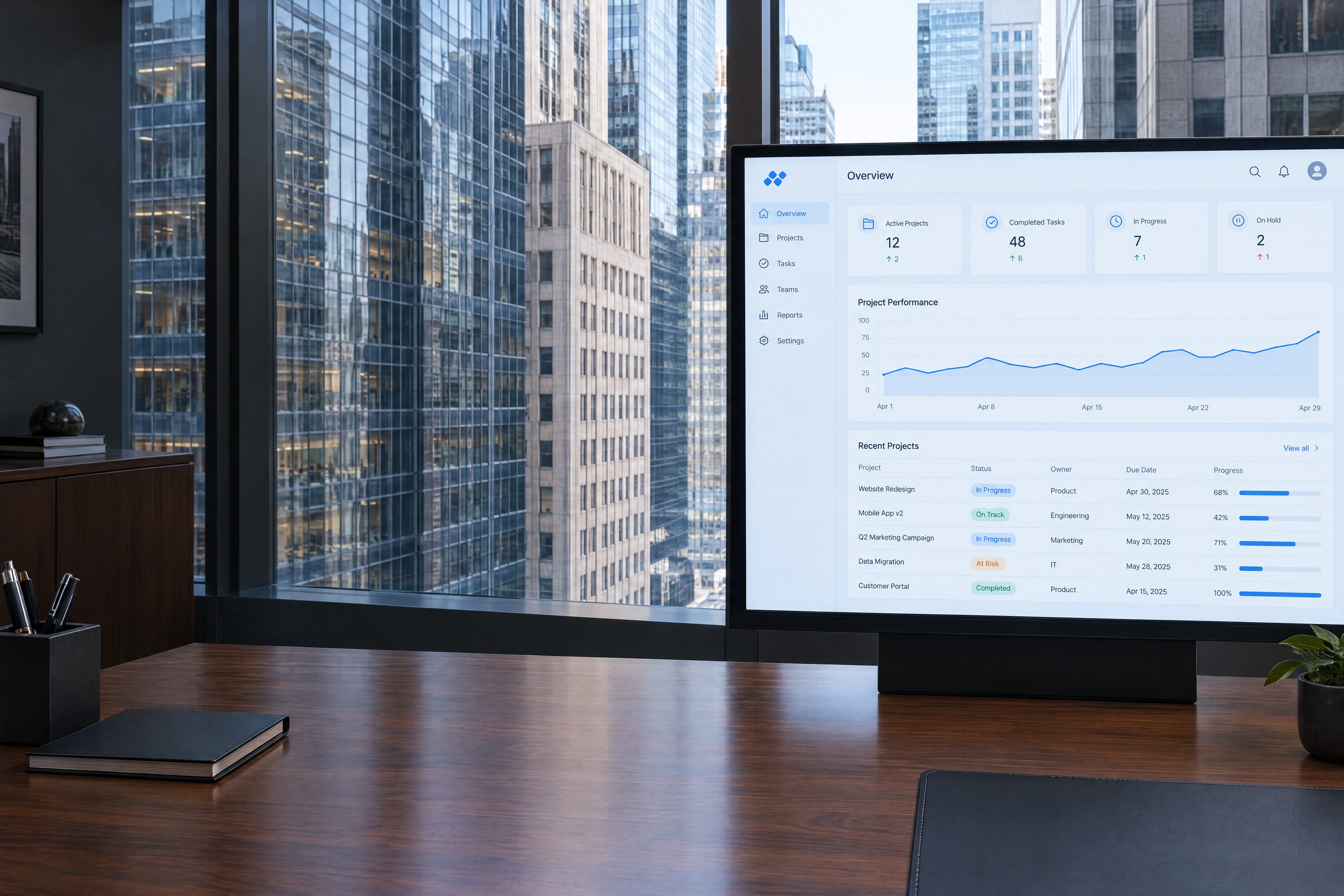
Operational dashboards, administrative tools, and multi-step workflows that organize information around the task. We consider roles, states, and exceptions as part of the interface, with a clear connection to implementation.
Some experiences involve detailed products, unfamiliar processes, or sensitive decisions. We can design for that complexity without making the interface feel overwhelming, using careful hierarchy, language, and navigation.
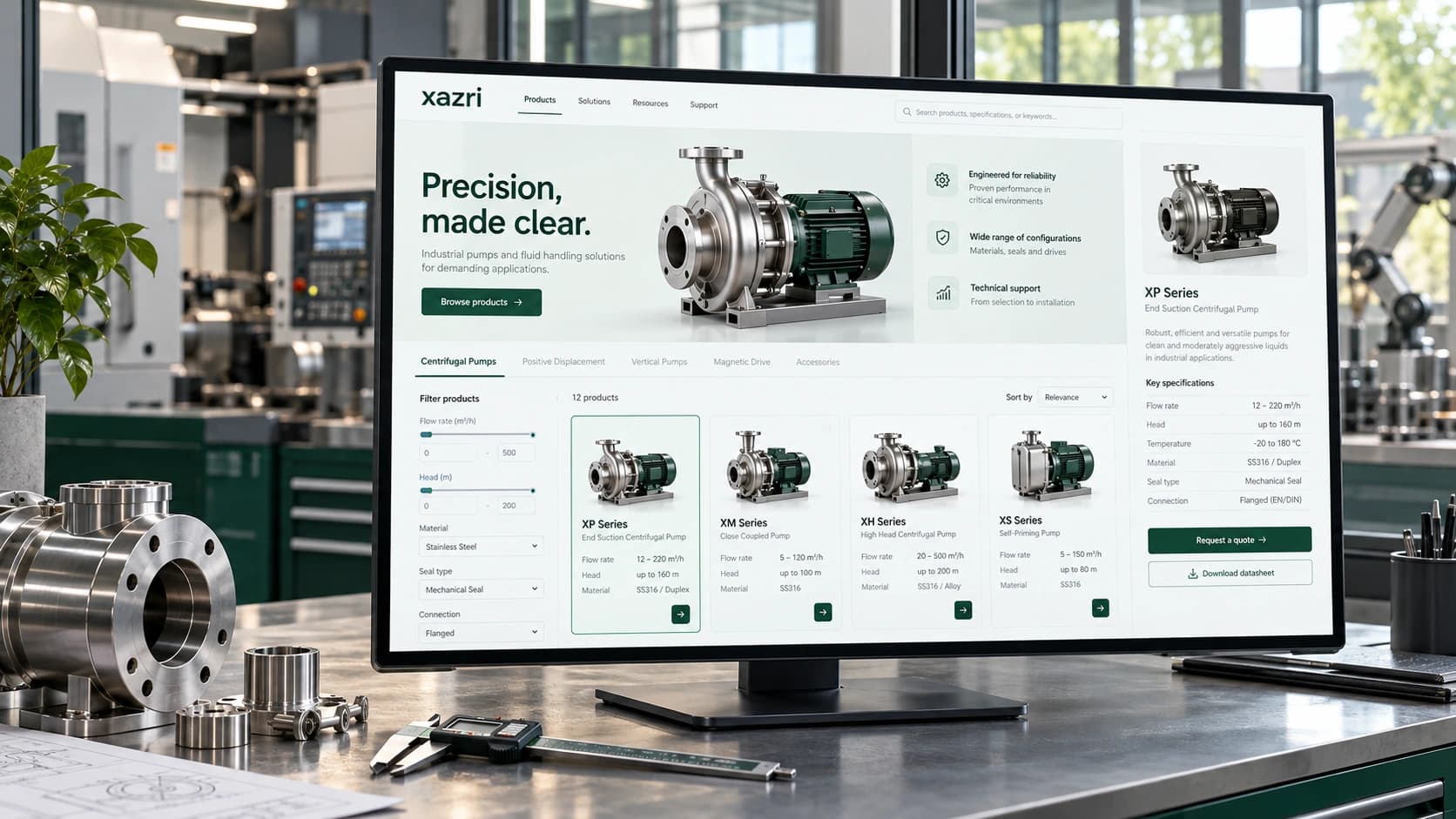
Technical catalogs, specifications, dealer resources, and operational interfaces. Detailed information becomes navigable for engineers, buyers, and business teams with different needs.
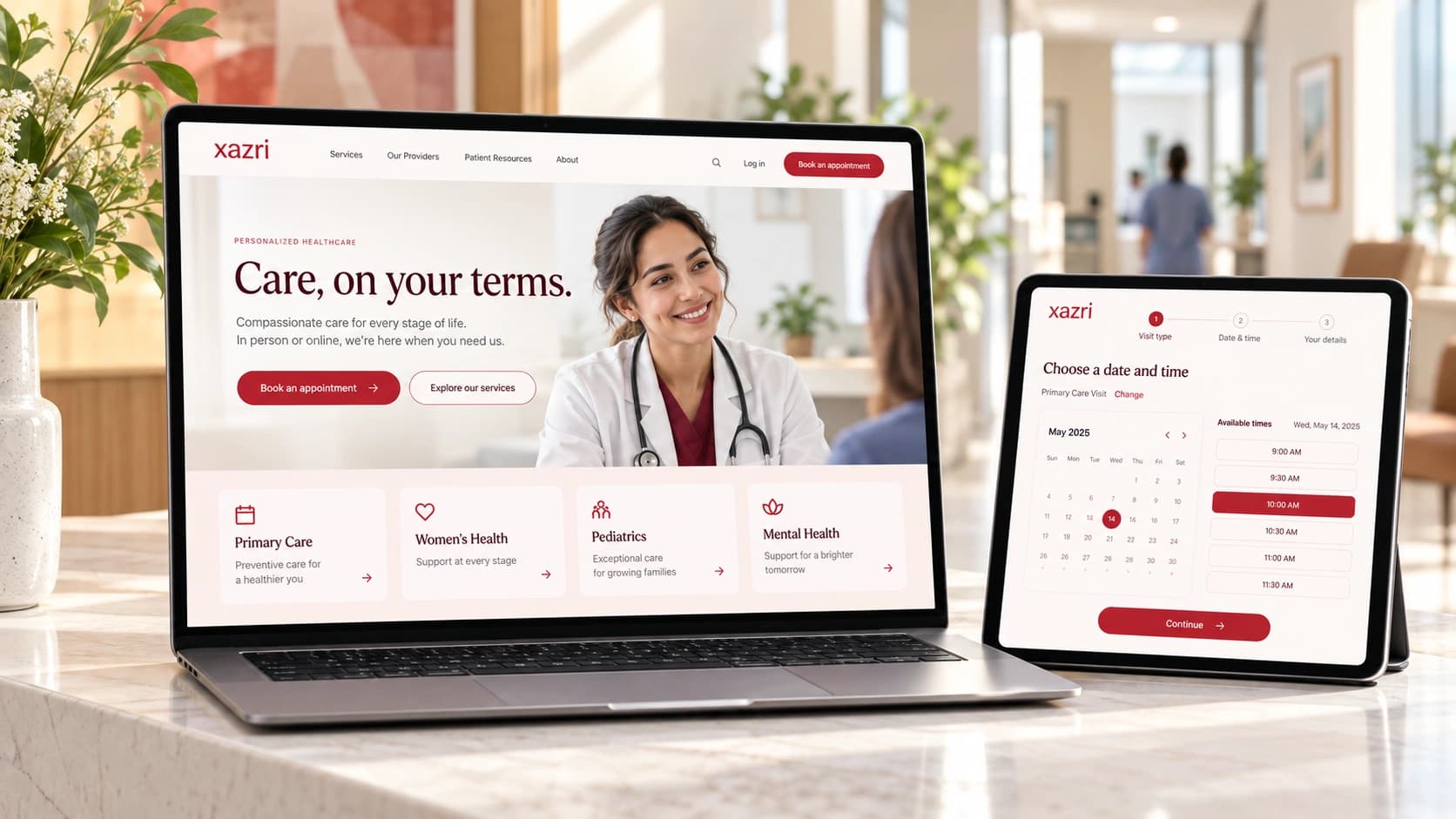
Readable service information, appointment journeys, and understandable navigation. Regulatory and clinical requirements are defined and reviewed for the particular project.
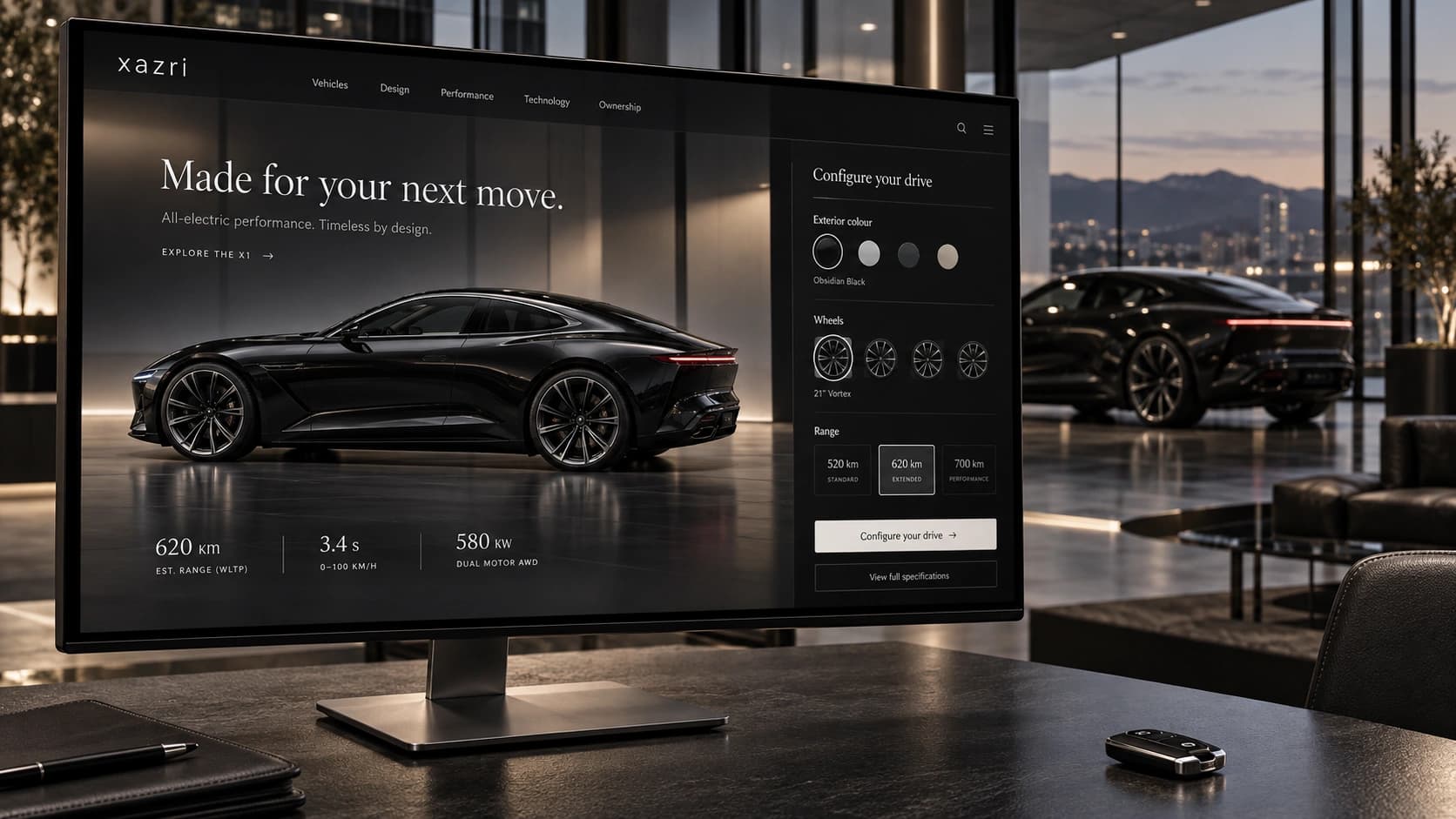
Vehicle discovery, model comparisons, and configurators that make complex specifications and choices clear, with a considered route to an enquiry or test drive.
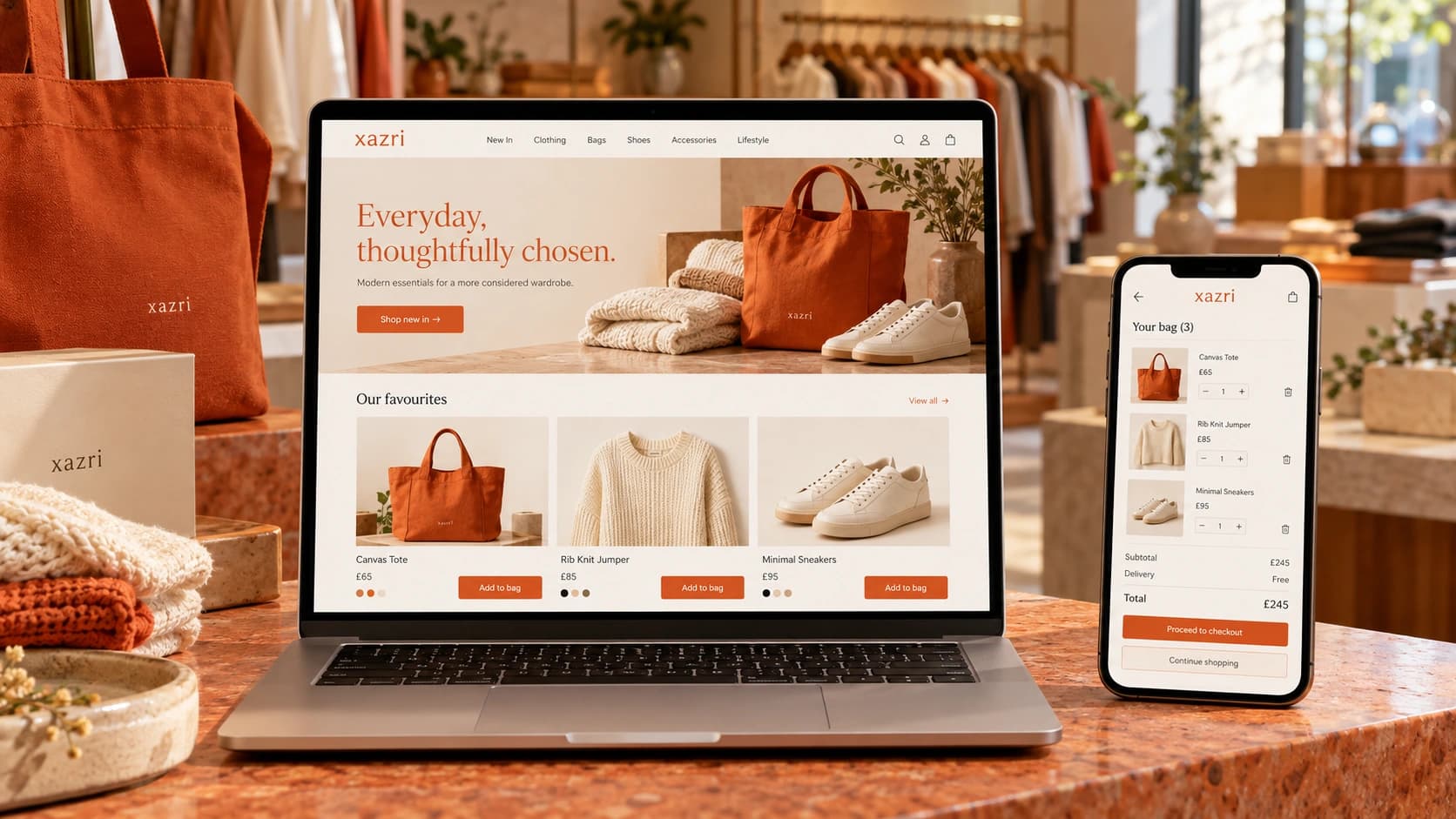
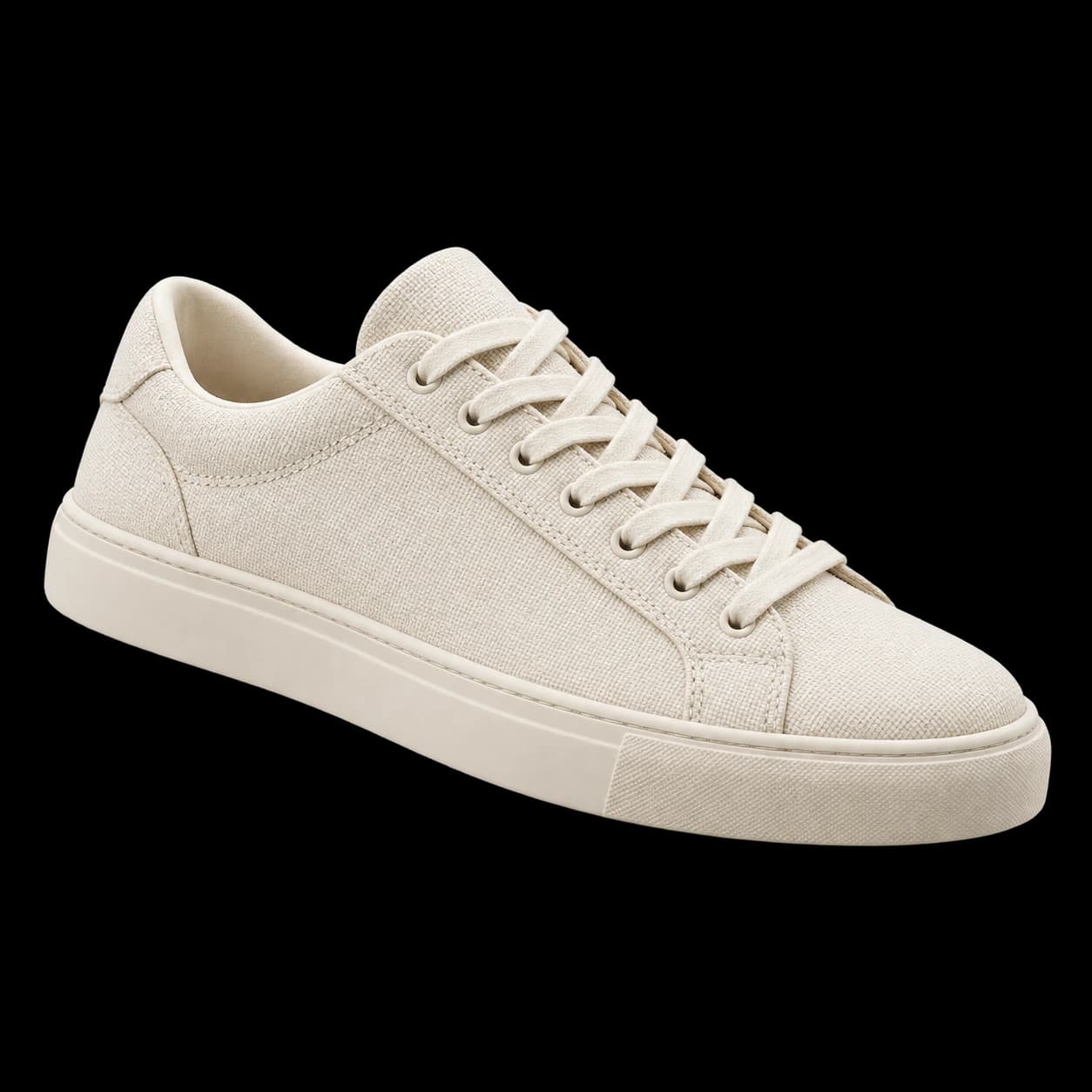
Product collections, browsing, shopping bags, and checkout journeys that connect a distinctive brand with a clear path to purchase.
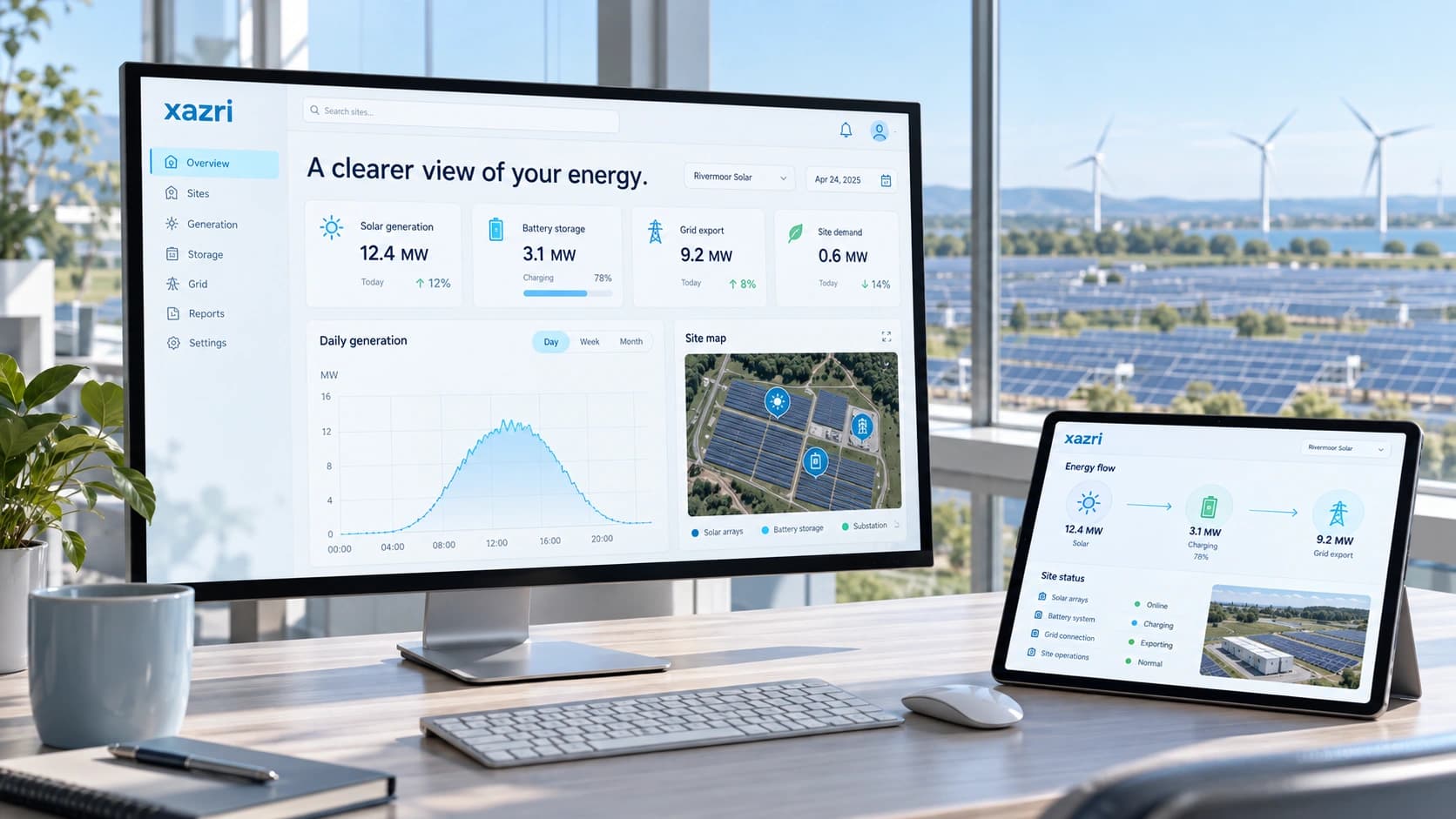
Generation dashboards, site information, and customer portals that turn complex energy data into clear status, useful comparisons, and practical next steps.
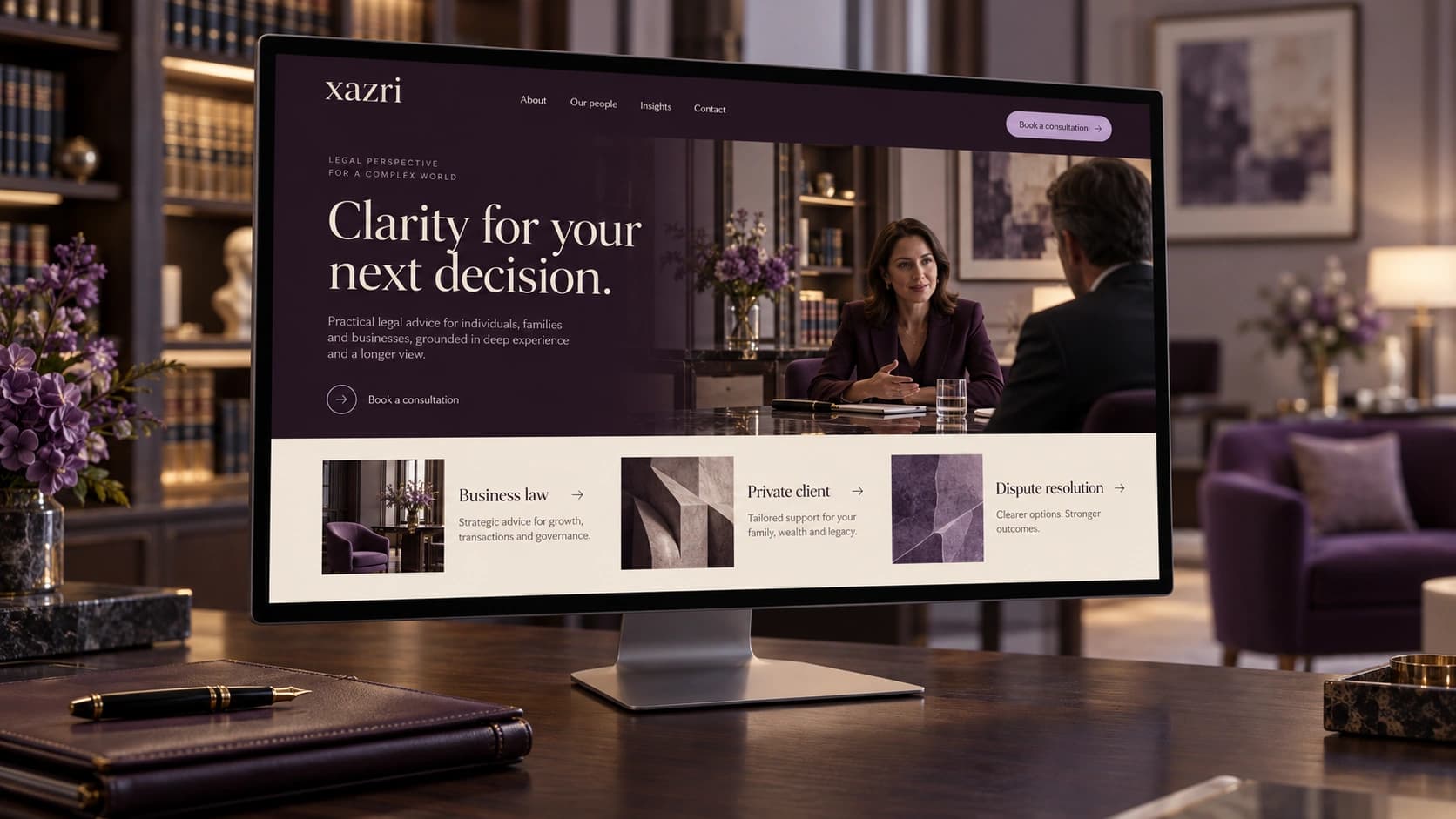
Clear practice areas, approachable service information, and image-led portfolios help visitors understand the offer, explore expertise and work, and find an appropriate next step.
A useful design system gives future work a reliable starting point. We connect typography, color, spacing, components, and interaction states in a foundation that can support new screens without starting from zero.
Figma can support component libraries and prototypes, with documentation shaped around implementation needs. Responsive behavior, keyboard interaction, readable contrast, and component states are considered as part of the system. Handover includes the context needed to apply the patterns, not just a collection of finished screens.
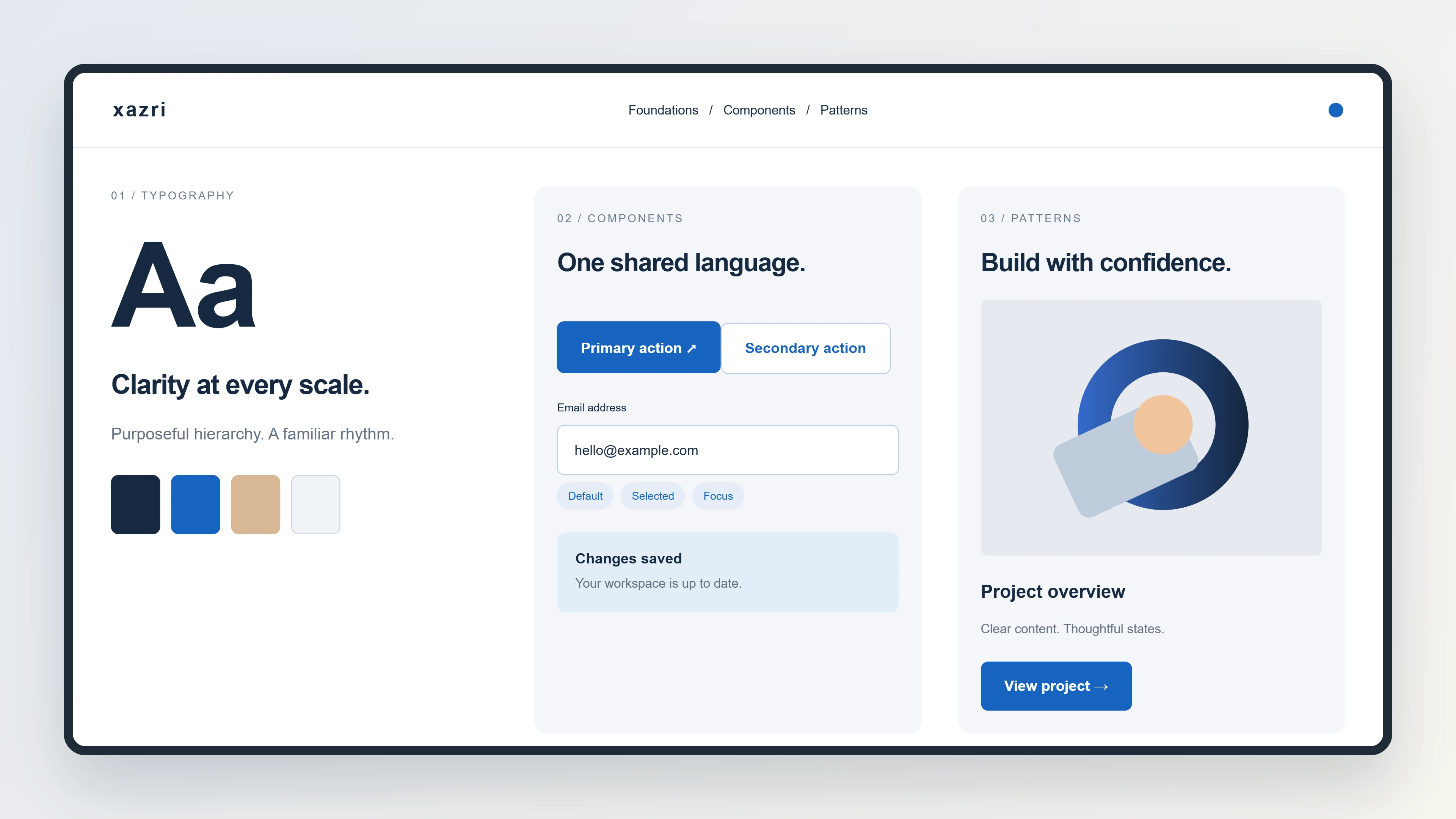
Define how layouts and components adapt to available space.
Consider loading, empty, error, success, focus, and disabled behavior.
Provide the decisions, assets, and guidance needed for implementation.
We connect strategic direction with the details implementation needs. Each stage makes the experience more concrete, with opportunities to review the structure, visual approach, and interaction before the final handover.
Understand the audience, business need, existing materials, and constraints.
Explore and agree the visual and experiential direction.
Develop information architecture, journeys, and wireframes.
Create the interface and reusable visual foundations.
Review the prototype and refine the important journeys and states.
Prepare assets, documentation, and implementation guidance.
Yes. We can work with established guidelines and component foundations, identifying what should be preserved and where the experience needs improvement.
Yes. Our digital and interactive capabilities can connect the design work with implementation. The responsibilities and deliverables are agreed within the project scope.
No. These are design capabilities and experience types. Regulatory, clinical, and other specialist requirements must be defined and reviewed with the appropriate project stakeholders.

Tell us what your brand or product needs to communicate and who it needs to reach. We can discuss the research, visual direction, and design deliverables that will make the next step useful.
Turn the design into a working website, application, or connected service.
Explore digital productsConnect visual direction with playable and interactive experiences.
Explore games & interactive